Blog
What Happens to Your Old Boiler? Smart Controls Explained During Installation
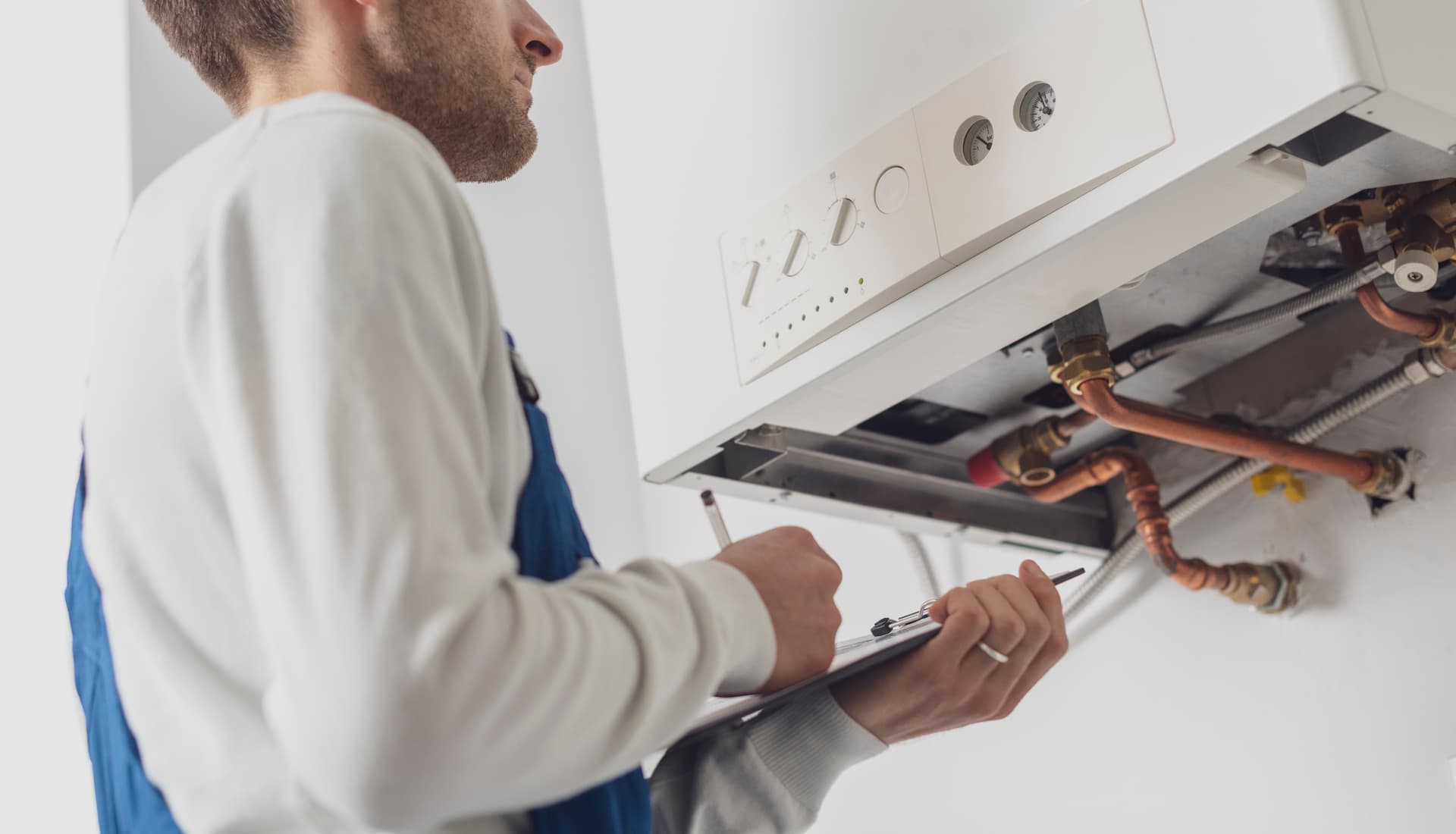
Replacing a boiler is not simply a matter of taking one box off the wall and putting another in its place. The existing system has to be made safe, the new boiler has to work with the property’s pipework and heating controls, and the final installation needs to be tested properly.
At Lakins Heating & Plumbing, we carry out boiler installation across Redditch, Beoley, Tardebigge, Wythall and surrounding areas. If you want the short overview of the service, you can read more about our Boiler Installation. This article looks more closely at what happens on site, particularly when you are replacing an old boiler and considering smart controls.
Before the old boiler is removed
The first useful question is not which new boiler looks best. It is how the current heating system is arranged and what needs to change for the replacement to operate correctly.
We need to understand whether the existing appliance is a combi (which heats hot water directly), system or heat-only boiler (which can work with a hot-water cylinder). That affects the rest of the installation. A combi boiler heats hot water directly, while a system or heat-only boiler may work alongside a hot-water cylinder and other components. Removing the boiler without considering those connections can leave the new appliance mismatched to the property.
We also look at the boiler position, flue route (the pipe carrying exhaust gases outside), gas supply, heating pipes, condensate pipework (which carries away condensation), electrical connections and existing controls. In a Victorian terrace in Redditch, space and access may be restricted. A bungalow or larger home may have a different pipe layout and hot-water demand. These details influence whether a replacement can stay in the same position or whether alterations are needed.
That assessment is also the point to raise smart controls. It is much easier to plan the control wiring, the position of the control receiver and the boiler connection before the old system is disconnected.
What happens to the old boiler
Once the installation begins, the heating and hot-water system is isolated and drained as required. The gas connection is disconnected by a Gas Safe registered engineer, and the old boiler is detached from its flue, pipework and electrical connections.
The appliance may contain residual water, metal components and other materials that need to be handled carefully. It should not simply be left for general household disposal. We arrange the removal of the redundant appliance as part of the replacement work being carried out, with the installation planned so the property is not left with an unsafe or incomplete connection.
Removing the old boiler also gives us the opportunity to inspect the exposed connections. Pipework that appears acceptable from the outside may need cleaning, alteration or replacement where its condition, size or position is not suitable for the new appliance. This is one reason a replacement that looks the same as the old boiler is not always a genuinely like-for-like job.
How smart controls fit into the installation
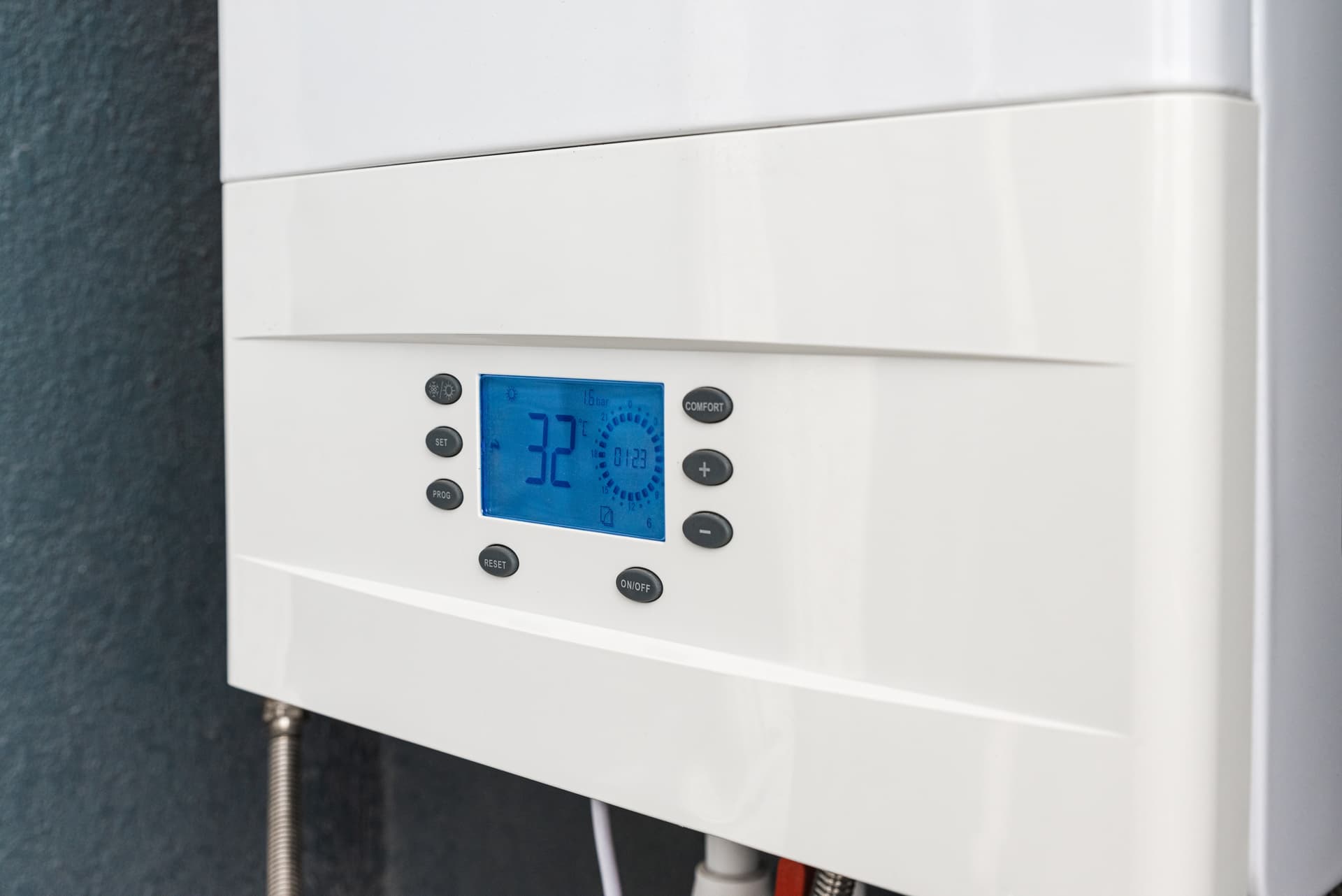
Smart controls are not just a wireless thermostat with an app. They need to communicate correctly with the boiler and heating system. Depending on the equipment selected, the control arrangement may include a thermostat, receiver, programmer or wiring changes at the boiler and heating control point.
The important issue is compatibility. A control can switch heating on and off, but some systems can also adjust boiler operation more intelligently. The benefits you receive depend on the boiler, how the controls communicate with it, any heating zones (separately controlled areas) and how the system is used in your home.
We consider where the thermostat should be positioned. A thermostat placed near a radiator, in direct sunlight, beside a draught or in a rarely used room can read the space inaccurately. That can make the heating respond poorly, regardless of how good the app appears to be.
A stable internet connection may also be needed for remote features, but the heating system should still be considered as a heating system first. You need to know how to use the basic controls if the phone, router or app is unavailable.
Commissioning and handover
After the new boiler and controls are connected, the system is refilled and checked for leaks. The boiler is set up and checked in line with the manufacturer’s requirements, and the controls are tested to confirm that the thermostat and control unit are working together as intended.
We check the heating response, hot-water operation where relevant, pressure and safe burning. The final stage is not complete when the boiler lights. It is complete when the installation has been tested and you understand how to operate the boiler and controls.
Ask questions during the handover. You should know how to change the temperature, set a programme, adjust hot-water settings where applicable and recognise any warning displayed by the boiler. Keep the installation and commissioning information with the appliance documentation, as it may be needed for future servicing or manufacturer support.
Planning the replacement properly
The old boiler and smart controls are connected decisions. The boiler type, pipework, hot-water cylinder, electrical supply and controls all need to work together. Choosing the control separately without checking compatibility can create extra alterations or limit what the new system can do.
We install boilers and provide smart home installation as part of our heating and plumbing services. With Gas Safe Registration number 558349 and Baxi Approved status, we can assess the existing setup and explain what the replacement involves before work starts. Contact us to arrange a quotation for your property in Redditch or the surrounding areas.
Other Articles